Accessible Music-Making: How We Support Your Needs at Every Event
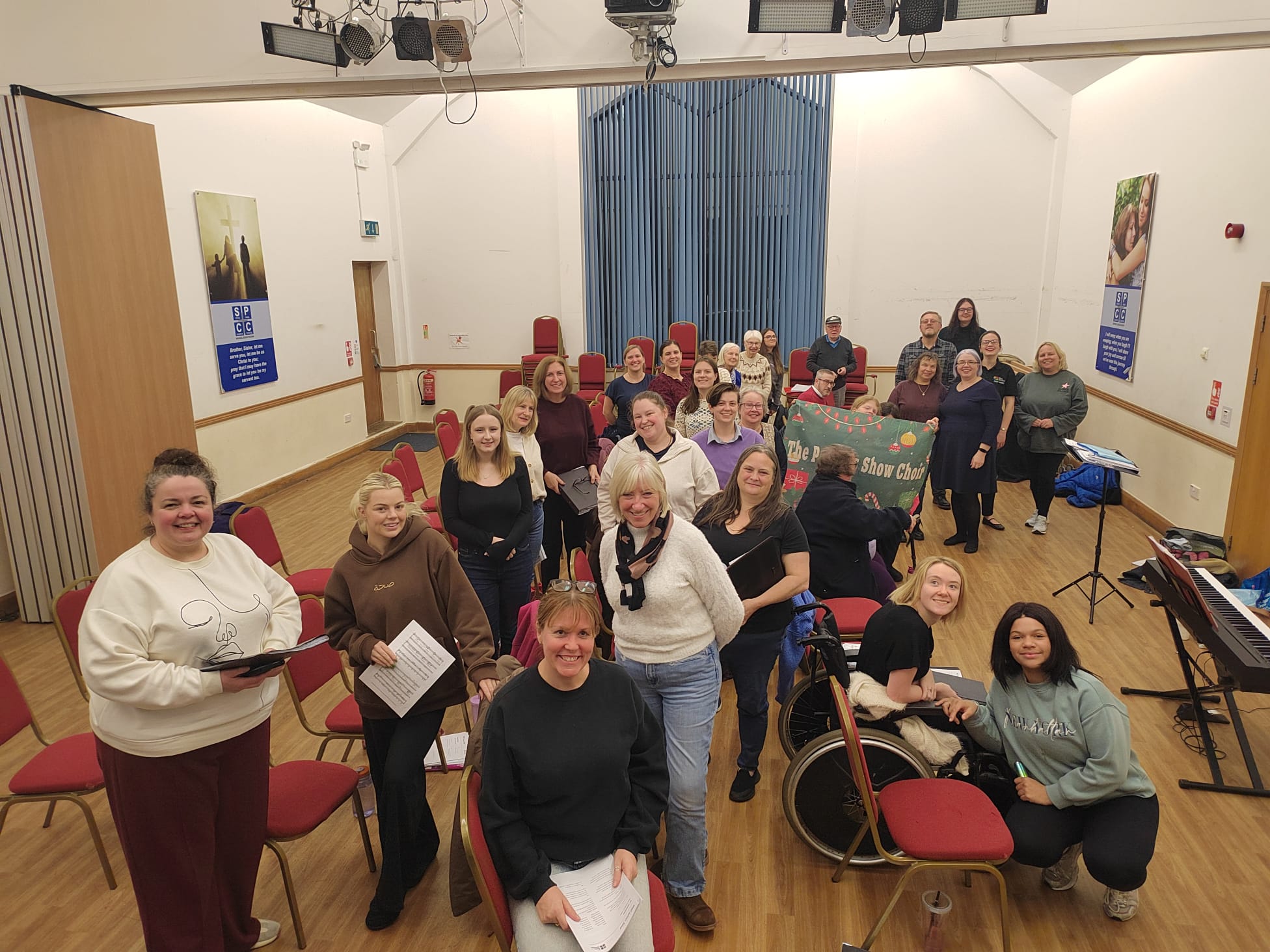
Everyone deserves to arrive at a rehearsal or concert knowing that they can get in, get around, and enjoy performing without stress. At The People’s Orchestra and TPSC, we’re working hard to make that experience a reality for every member and guest, whatever their access, health or support needs.
In this post, we’ll walk through how we think about accessibility for our venues and events, and how our TPSC Accessibility and Support Needs process helps us tailor support for each person, each time.
Why accessibility matters to us
Our ensembles bring together people from different ages, backgrounds and communities, and many of our players and singers live with long-term conditions, fluctuating health or temporary injuries. For some, stairs can turn a joyful concert into a worrying prospect. For others, loud backstage spaces, long queues, or unclear instructions can be genuinely overwhelming.
We don’t want access to be something you have to fight for or explain repeatedly. Instead, we aim to make it a normal, proactive part of planning every rehearsal and performance. That’s why we share clear information about rehearsal venues on our website, and ask about your access needs in a respectful, confidential way before each event.
Access at our rehearsal venues
Because we rehearse in different spaces, each venue has its own layout and facilities. On our website, you’ll find an accessibility section for each choir location so you can check what to expect in advance.
Is There Step-Free Access at TPO and TPSC Rehearsal Venues?
We highlight key information such as:
- Step-free routes from the entrance to the rehearsal area
- Whether there is a lift
- Parking options, including blue badge bays, paid or free parking and on-site or on-road information.
If you need a particular arrangement – for example, to avoid stairs, sit at the end of a row or near an exit,– we encourage you to tell us in advance. Wherever possible, we’ll have your request in place each week so you’re not having to negotiate this every rehearsal.
We also recognise that music itself needs to be accessible. If you require music in a different format – such as coloured paper for visual stress, or larger fonts in a particular size or typeface – we’ll do our best to provide this wherever possible.
The TPSC Accessibility and Support Needs concert/event process
To make sure we’re offering the right support at the right time, we invite ensemble members to share their accessibility needs ahead of concerts and other key events.
Our approach is guided by three principles:
- Respect – you choose what to share, in your own words
- Relevance – we focus on what will help you at the upcoming event
- Confidentiality – information is only shared with people who need it to organise and run the event
We know many of you may already have told us about long-term conditions or access needs. However, things can and do change: medication, pain levels, energy, or the impact of an injury or surgery. You might manage a staircase at one venue but not at another, or find that you need more time to reach the stage during a particular concert. Asking about your current needs helps us avoid assumptions and support you appropriately each time.
Mobility, steps and getting around
For some performers, the number of steps into the building, up to the stage, or backstage is one of the biggest factors in deciding whether they can take part. We therefore ask about:
- Whether you have any mobility or access requirements we should be aware of
- Whether you have temporary accessibility needs related to injury, surgery or flare‑ups
- How many steps you feel comfortable climbing, and whether this varies
- Any specific requirements such as step-free access, handrails, lifts or extra time to reach the performance area
- Any mobility equipment you use, such as walking sticks, frames, wheelchairs or mobility scooters
This information allows us to plan routes, allocate seating and stage positions, and ensure that stewards and volunteers know where you may need a little extra support.
Standing, seating and performance positions
Not everyone can stand for long periods, and in an ensemble setting that can affect everything from warm‑ups to stage calls and the performance itself. We therefore ask:
- How long you’re comfortable standing in one place
- Whether you prefer to be seated on stage or in a different area of the venue
- Whether you need to be near the front of the stage in order to see the conductor while seated
- Whether you need seating close to the stage before or after performing, such as an on‑site green room
With this information, we can position you where you feel safest and most able to perform, and ensure there’s a suitable place to rest before and after going on stage.
Support, quiet spaces and wellbeing
Accessibility isn’t only about ramps and lifts. For many performers, wellbeing factors like crowding, noise and waiting times make a huge difference to whether an event feels manageable.
Can I Bring a Support Person or Request a Choir Buddy?
We therefore ask whether:
- You will be attending with someone who supports you, and what kind of support they provide
- You would like us to arrange a choir “buddy” if you attend alone
- You would benefit from access to a quiet space during the event
- There are specific situations that might make performing more difficult, such as crowded corridors, long queues or loud backstage environments
- You would like to speak to our wellness coach before or during a concert
This helps us plan routes, waiting areas and buddy systems so that your emotional and sensory needs are considered alongside physical access.
Clothing, footwear and dress code
Performance dress codes can sometimes clash with practical needs. Some people require particular footwear for balance or pain management; others may need to adapt clothing for sensory reasons or medical devices.
Instead of treating this as a problem, we invite you to tell us about any clothing or footwear requirements that might not meet the general dress code. We will then work with you to find a solution that keeps you feeling comfortable, safe and included on stage.
Communication and music formats
How Will I Receive Information About Rehearsals and Concerts?
Clear, accessible communication is just as important as physical access. To help ensure you receive information in a way that works for you, we ask whether it would help to receive:
- Written instructions in advance of the event
- Larger print materials
- Clear verbal announcements on the day
- Information shared on different platforms, such as Spond, email or WhatsApp
Our commitment: concerts that work for you
When you share accessibility and support needs with us, you’re not creating extra work or inconvenience – you’re helping us design events that genuinely work for the people who make them happen. Our aim is simple: to make concerts and rehearsals as enjoyable, safe and accessible as possible for everyone in our ensembles.
If your needs change, or you’d prefer to discuss anything privately, you can speak to a member of the team at any time. We’re here to listen, to adapt, and to make sure that performing with us is something you can look forward to with confidence.
Questions answered in this post
How do I tell The People’s Orchestra or TPSC about my access or support needs?
You’re welcome to get in touch at any time. Ahead of concerts and other key events, we also invite members to share their needs directly through the TPSC Accessibility and Support Needs process, which is guided by respect, relevance and confidentiality.
What if my access needs change between rehearsals or concerts?
That’s completely normal – energy, pain levels, medication and the impact of an injury or surgery can all change how much support you need from one event to the next. We ask about your current needs each time rather than relying on what you told us before, so we can avoid assumptions and support you appropriately.
Is there step-free access at TPO and TPSC rehearsal venues?
Accessibility varies by venue, so we publish an accessibility section for each rehearsal location on our website covering step-free routes, lifts and parking options, including blue badge bays. If you need a particular arrangement, such as avoiding stairs or sitting near an exit, let us know in advance.
Can I bring someone to support me, or request a choir buddy?
Yes. We ask whether you’ll be attending with someone who supports you and what kind of support they provide, and we can arrange a choir buddy if you’re attending alone, along with access to a quiet space if crowds, noise or queues make an event harder to manage.